Pramesh S Jain
*Government to expand waste transport capacity to 9,000 tonnes;GPS tracking of all garbage collecting vehicles planned.
*Getting the garbage truck to every doorstep is my responsibility.Giving segregated waste to the vehicle is yours,” Minister tells citizens.
*City currently generates around 6,500 tonnes of waste a day against collection capacity of about 5,200 tonnes.
*New system to deploy larger vehicles and raise transport capacity to around 9,000 tonnes.
*Around 50,000 bulk waste generators urged to comply with waste-management rules.
Bengaluru’s waste problem cannot be solved by government action alone,Greater Bengaluru Development Minister Krishna Byre Gowda said on Thursday,calling for a clearer division of responsibility between the civic administration, waste workers,bulk generators and citizens.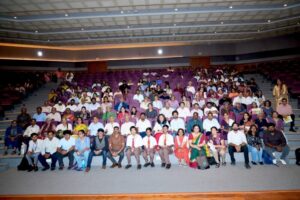

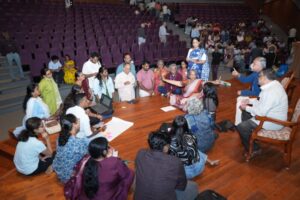
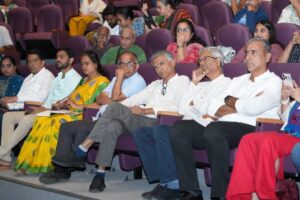
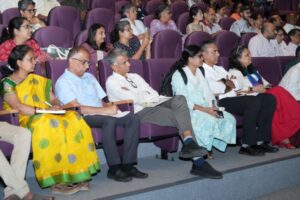
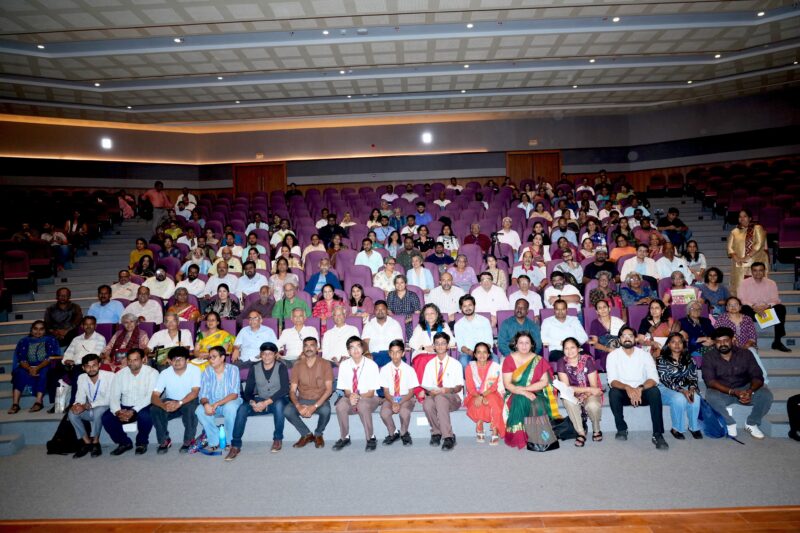
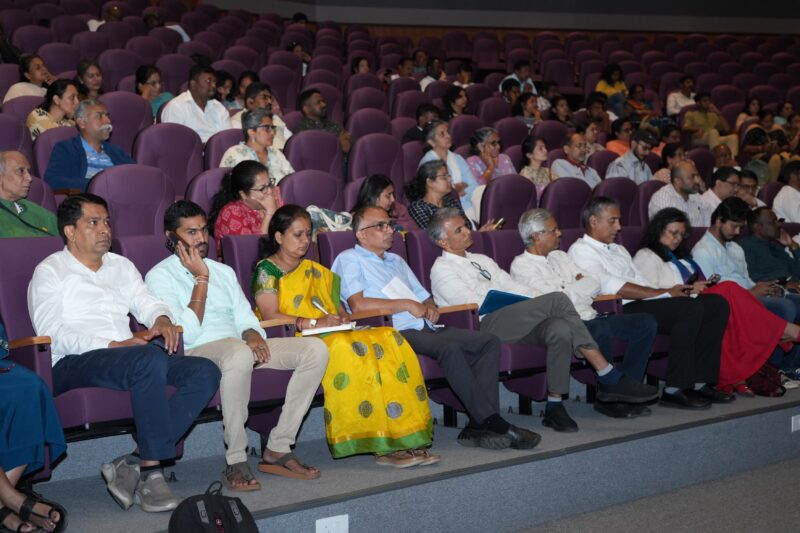
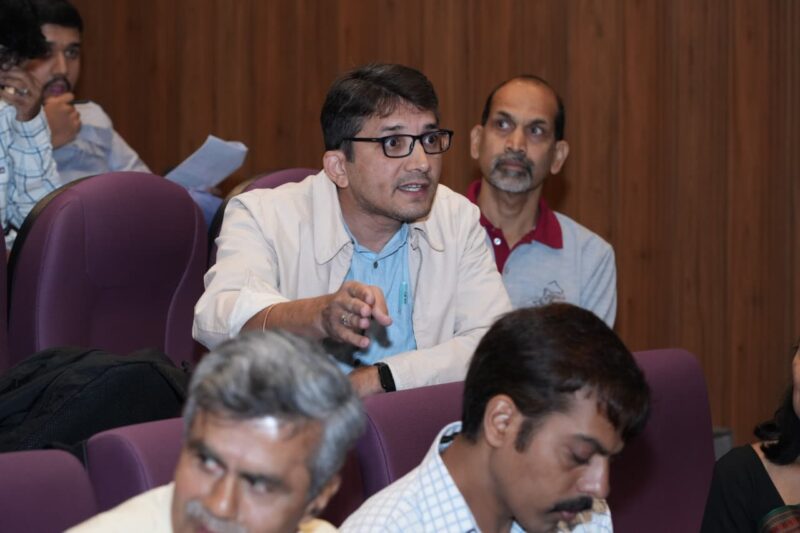
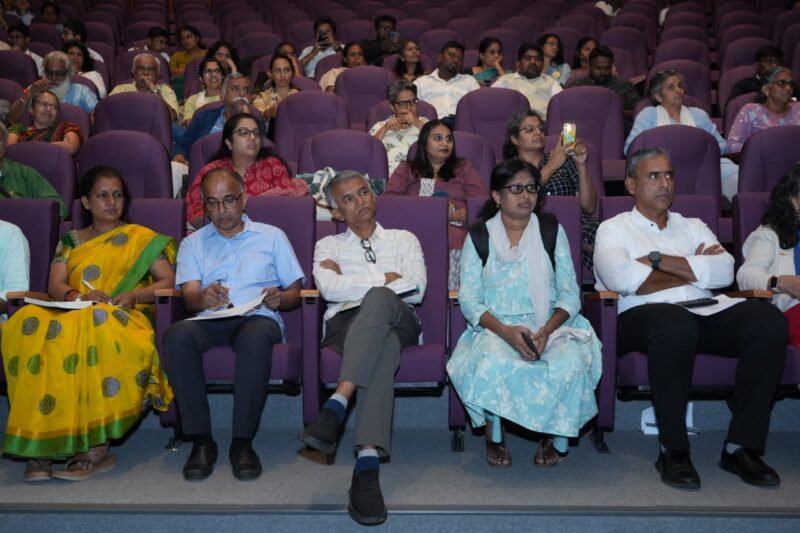
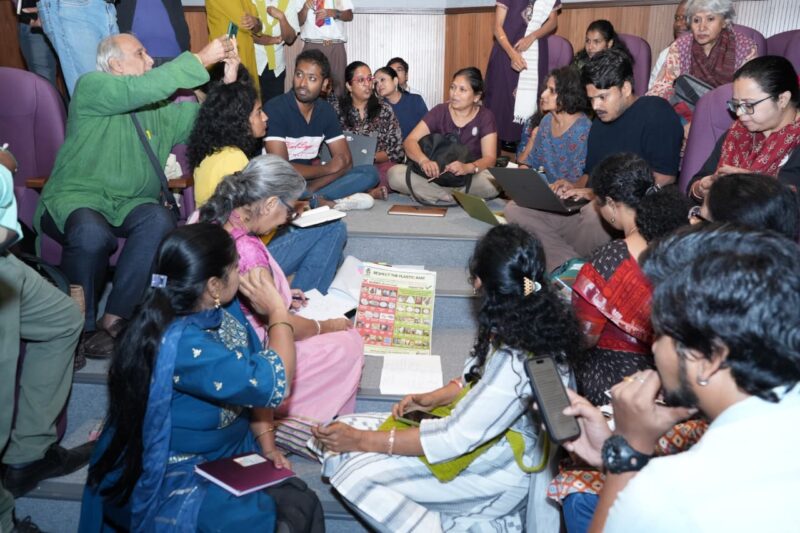
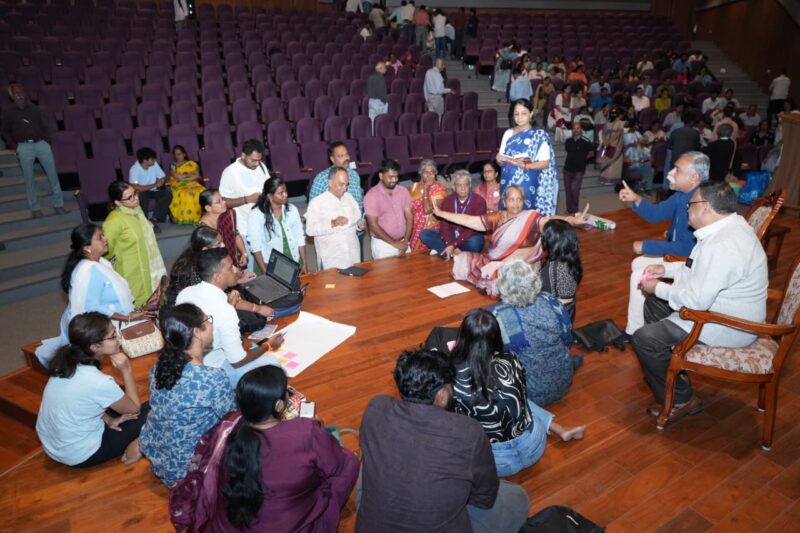
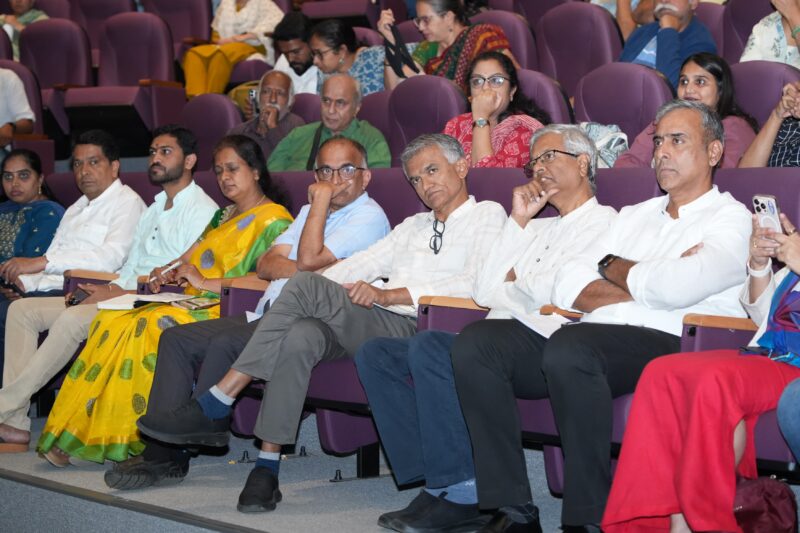
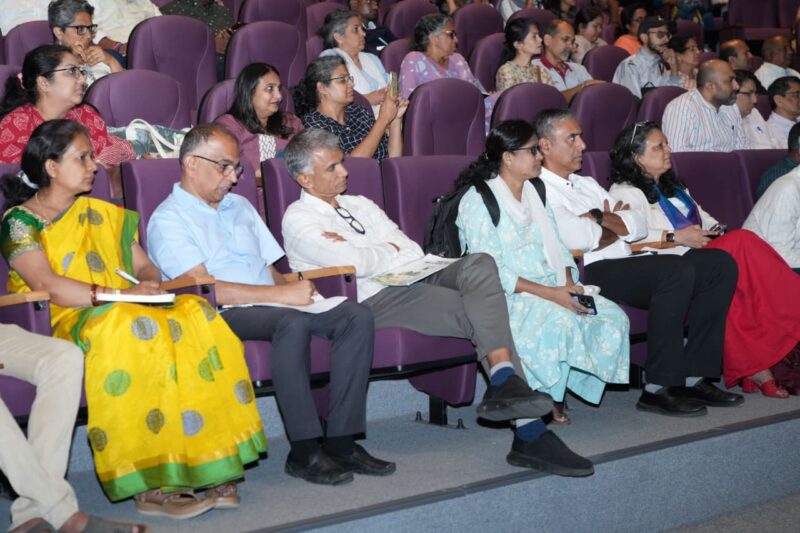
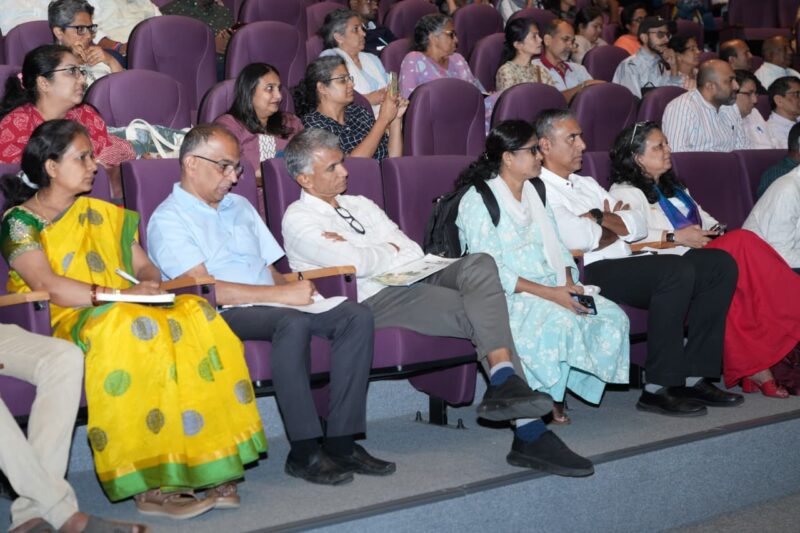
Speaking at a stakeholder consultation on solid waste management at Jawaharlal Nehru Planetarium,the Minister said the government had to first ensure that the basic waste-collection system worked reliably- particularly doorstep collection- but citizens too had to take responsibility for segregating waste and handing it over to collection vehicles rather than dumping it on roadsides.
“It is my responsibility to ensure that the garbage collection vehicle reaches every house.But when it comes,will citizens give their segregated waste directly to the vehicle instead of putting it on the roadside?”he asked.
The Minister said the objective was not merely to remove waste from roads but to redesign the system so that waste was collected,segregated,
Collection system under pressure:
A key problem,he said,was the mismatch between the city’s present waste generation and the capacity of the existing collection system.
Bengaluru currently generates around 6,500 tonnes of waste a day,while approximately 5,200 auto-tippers are operating with an average capacity of about one tonne each.
The existing arrangements were designed at a time when the city had fewer households and generated less waste.
The city’s population, number of households and waste generation have increased substantially over the years, while the collection system has continued to operate within the capacity of older contractual arrangements.
The Minister said the process of correcting these deficiencies was already under way.
The existing 27 Assembly constituencies have now been reorganised into 33 packages for the new waste-management system.
The new arrangement will also introduce vehicles with two- and three-tonne capacities,taking the overall transportation capacity to approximately 9,000 tonnes a day.Around 4,500 vehicles are expected to operate under the new system.
GPS to make waste collection traceable:
The government also plans to make GPS tracking mandatory for all waste-collection vehicles.
The system will enable authorities to automatically verify whether a vehicle has followed its assigned route,which roads it has covered and how long it has remained in operation.
The objective,the Minister said,was to bring greater transparency and accountability to a service that citizens encounter every day.
“If a particular locality is not receiving doorstep collection, providing that service is the responsibility of the administration.We will take immediate steps to address such gaps,”he said.
At the same time,he appealed to citizens not to leave waste on roadsides.
If a collection vehicle arrives when nobody is at home, segregated waste can be kept safely near the compound or gate for collection.
In houses without gates,residents can use an appropriate waste container fixed near the wall,he suggested,adding that ensuring that such waste is collected would be the administration’s responsibility.
’Roadside garbage becomes a civic problem multiplier’:
The Minister said roadside dumping creates a cycle that is difficult to break.
Once waste accumulates at one location, others tend to use the same spot for dumping,gradually turning it into a garbage blackspot.Such accumulation can subsequently affect storm-water drains and other civic infrastructure.
This makes waste management not merely a sanitation issue,but a wider urban-management challenge requiring accountability at every stage,he said.
Bulk waste generators add another 1,000 tonnes:
The government also flagged the role of bulk waste generators as a major pressure point.
Bengaluru has approximately 50,000 bulk waste generators, but only around 2,000 have entered into arrangements with authorised vendors as required under applicable waste-management rules,the Minister said.
He alleged that many of the remaining establishments were handing over their waste to municipal workers who collect household waste,thereby adding to the burden on the doorstep collection system.
Bulk waste generators must segregate waste within their premises and, wherever required,undertake composting or processing at source.The government,he said,was prepared to provide the necessary downstream services for waste that had been processed or composted at source, without requiring an additional service charge.
The Minister estimated that bulk waste was currently adding around 1,000 tonnes a day to the burden on the household waste-collection system.
Segregation is beginning to change the waste equation:
The government is also seeking to preserve segregation after waste is collected,rather than allowing segregated waste streams to get mixed during subsequent handling.
At present,around 2,100 tonnes of segregated wet waste is being sent to processing facilities.
The quantity of waste going to landfill has come down from around 4,000 tonnes earlier to approximately 2,500 tonnes.
Greater segregation at source,the Minister said,could significantly alter the economics and efficiency of the city’s entire waste-management chain.
1.42 lakh tonnes of old waste cleared:
The government also highlighted the large-scale clean-up undertaken across Bengaluru in recent weeks.
The Greater Bengaluru Authority has cleared around 1.42 lakh tonnes of construction and other accumulated waste, while the Bengaluru Development Authority has removed approximately 80,000 tonnes of old waste.
BESCOM has undertaken cleaning around transformer locations,while intensive ward-level cleanliness drives are also being conducted.
However,the Minister said clearing accumulated waste alone cannot provide a lasting solution.
“The objective has to be to build a system in which waste does not return to the roads in the first place,”he said.
’Everyone has a role in keeping Bengaluru clean’:
Emphasising the need for shared responsibility,Gowda said the city’s improvement cannot be left entirely to the government,civic officials or sanitation workers.
“We live in this city and Bengaluru has given us a great deal. It is our responsibility to contribute towards the city,”he said.
He also stressed that every role in the sanitation system deserved dignity and respect.
“Every job has dignity.No work is superior or inferior. Every job is necessary for society.From officials to citizens,everyone must discharge their responsibility honestly.Only then can Bengaluru become a cleaner, more sustainable and better-managed city,”he said.
Five teams to test solutions over the next 3–4 months:
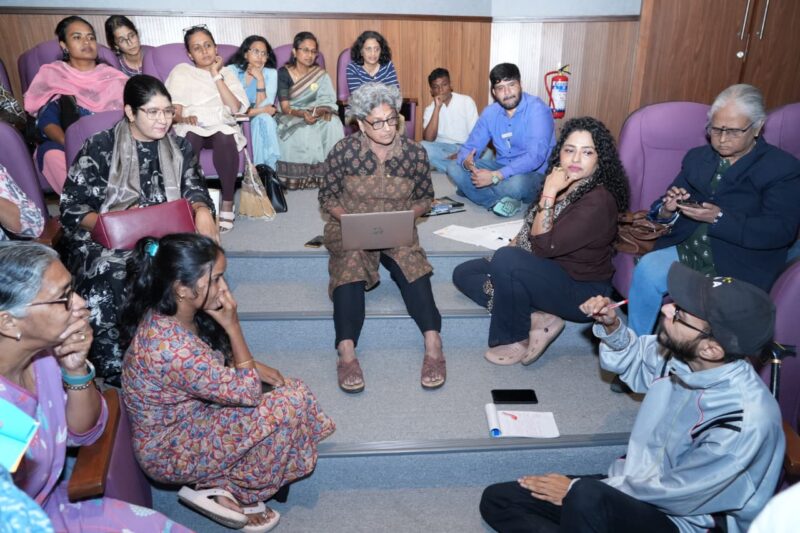
The consultation brought together representatives of stakeholder organisations and members of the public, who were divided into five groups to examine the city’s existing waste-management system, identify problems and propose solutions.
Each group presented its recommendations following the discussions.
The Minister said the suggestions would be incorporated into the waste-management process and tested over the next three to four months.
A follow-up consultation would then be held to assess the results and examine what further changes were required.
The consultation was attended by Chief Commissioner Maheshwar Rao,North Corporation Commissioner, Pommala Sunil Kumar,Central Corporation Commissioner,G.Jagadeesh,