Pramesh S Jain
*Greater Bengaluru Executive Committee to Drive Coordinated Urban Governance;GIS-Based Common Platform to End Road Digging and Improve Civic Services.
*No More Working in Silo:Krishna Byre Gowda calls for team-based governance to solve Bengaluru’s long-pending civic problems.
*Common digital dashboard to map roads,utilities and civic works,enabling coordinated planning,greater transparency and citizen reporting.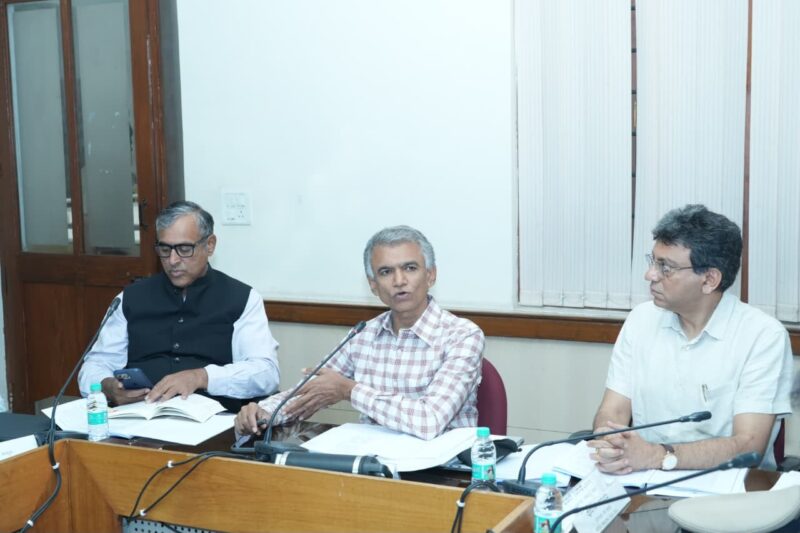
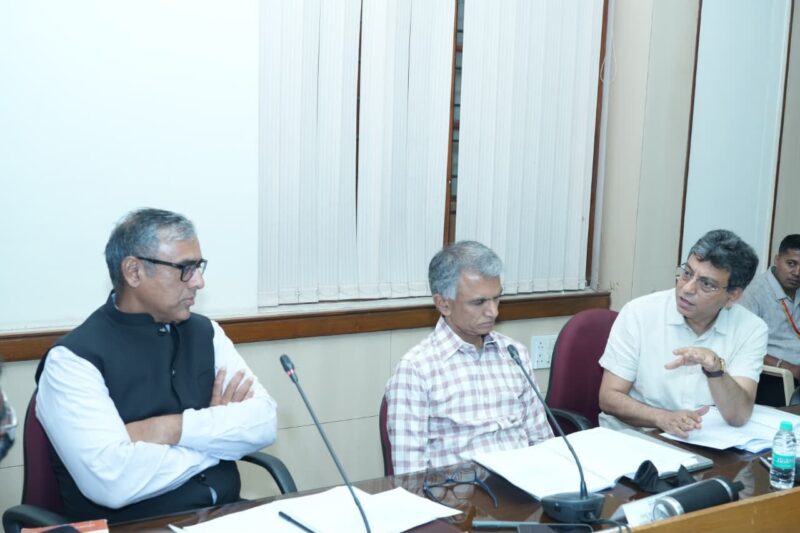
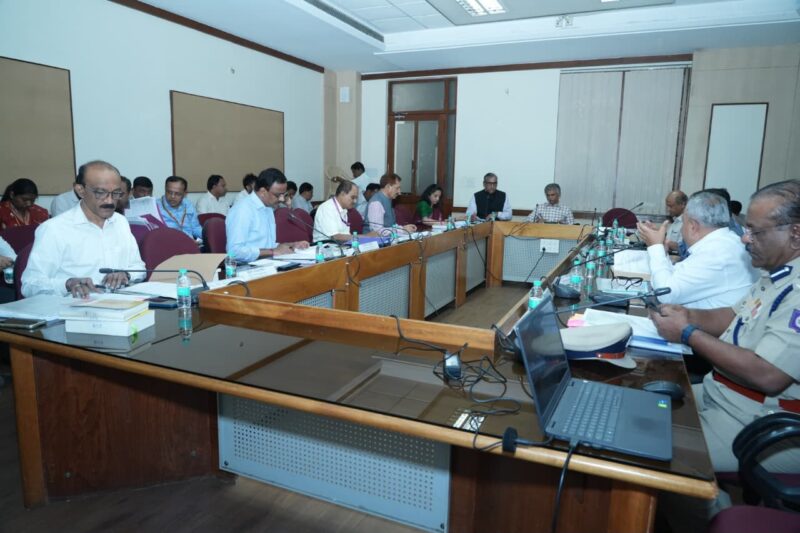
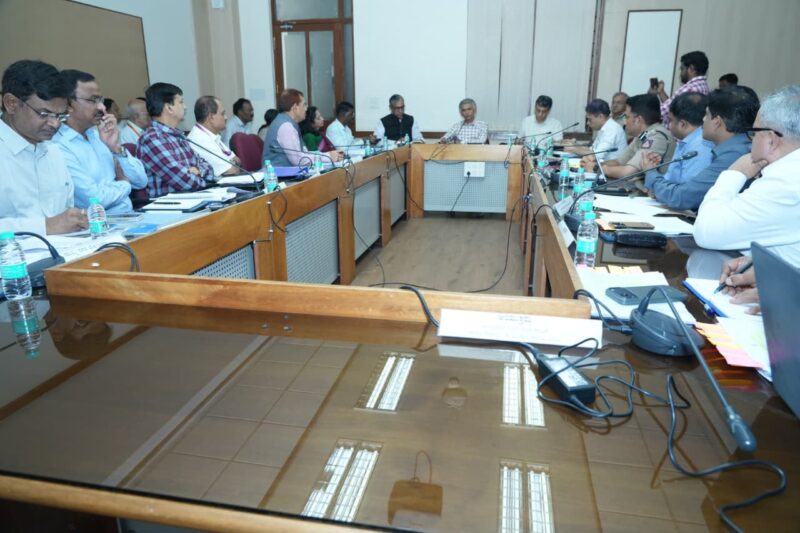
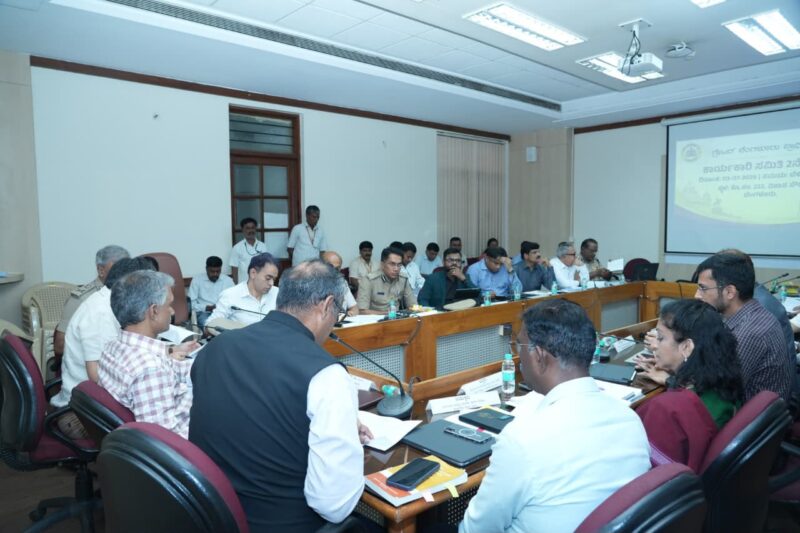
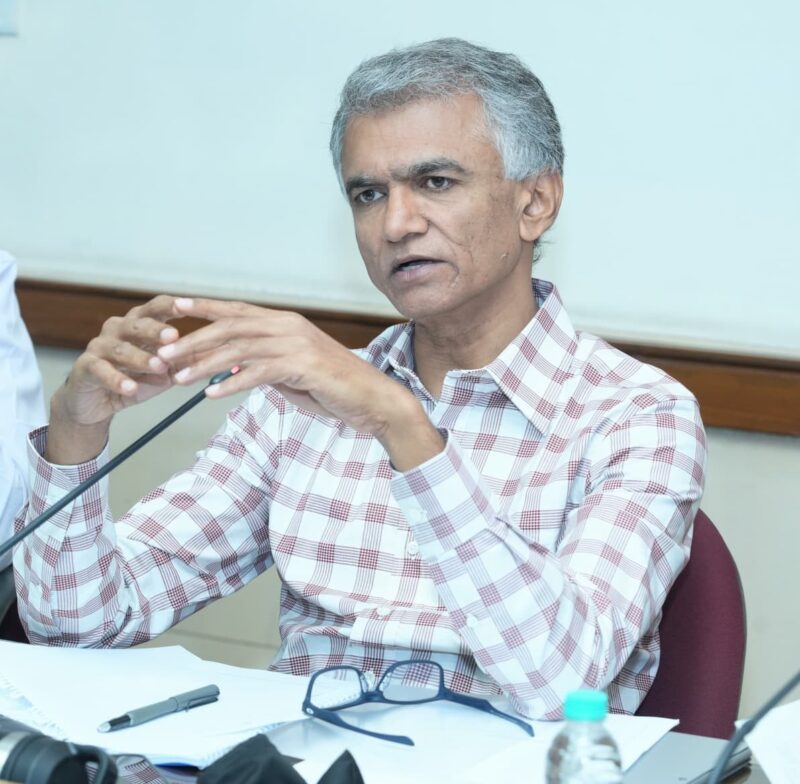
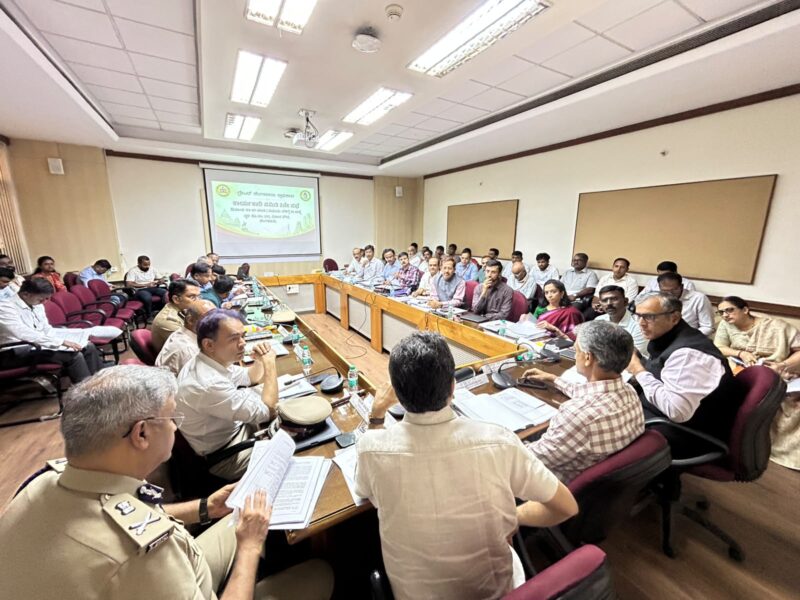
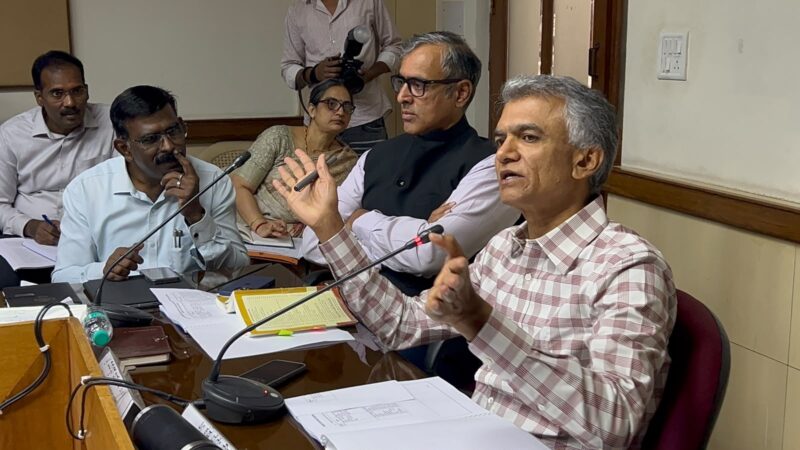
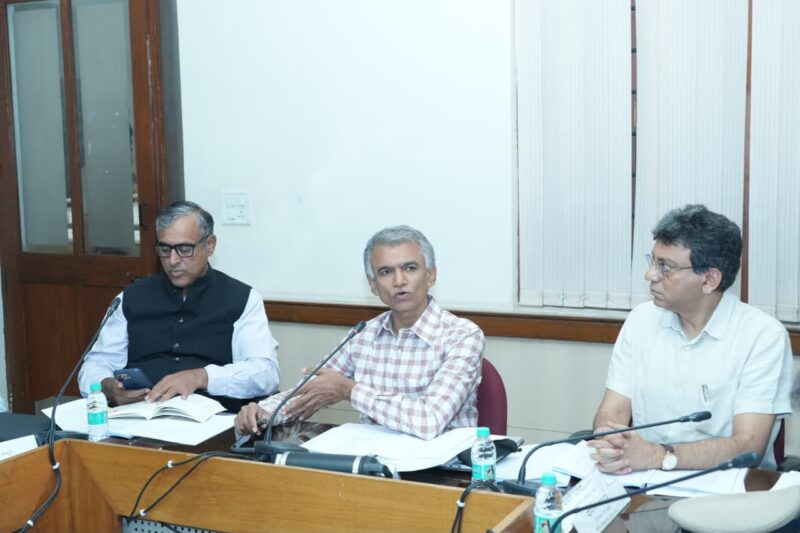
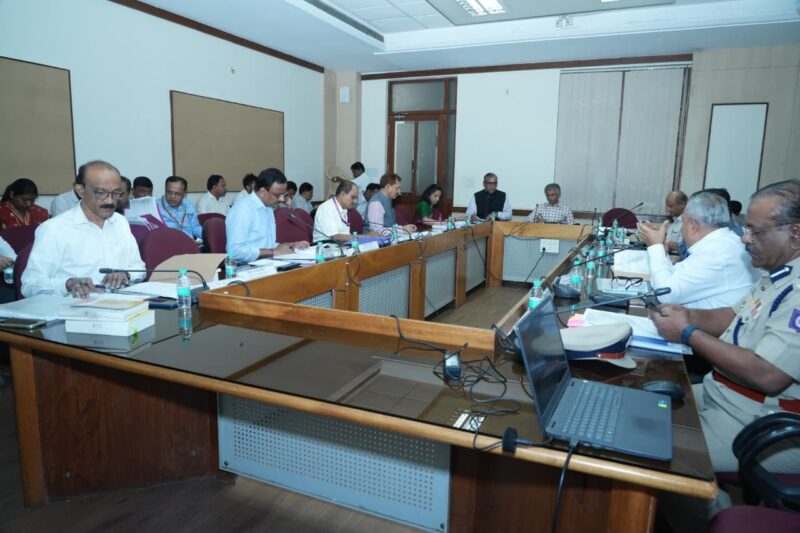
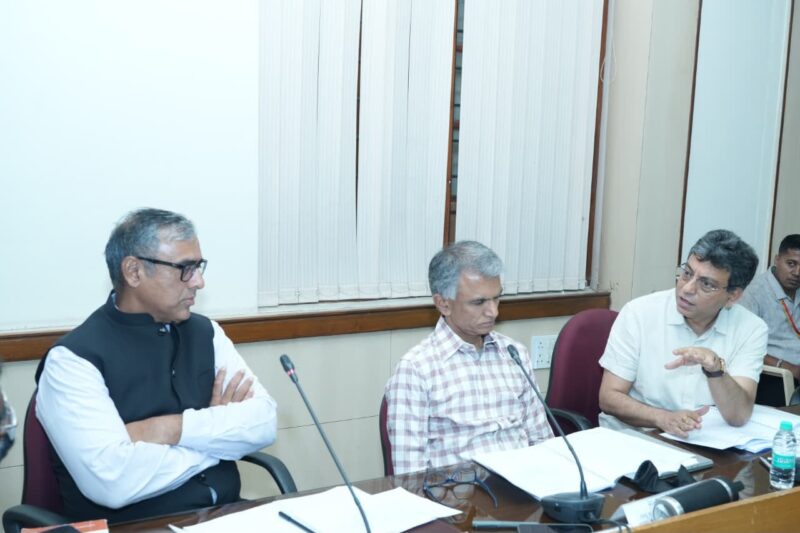
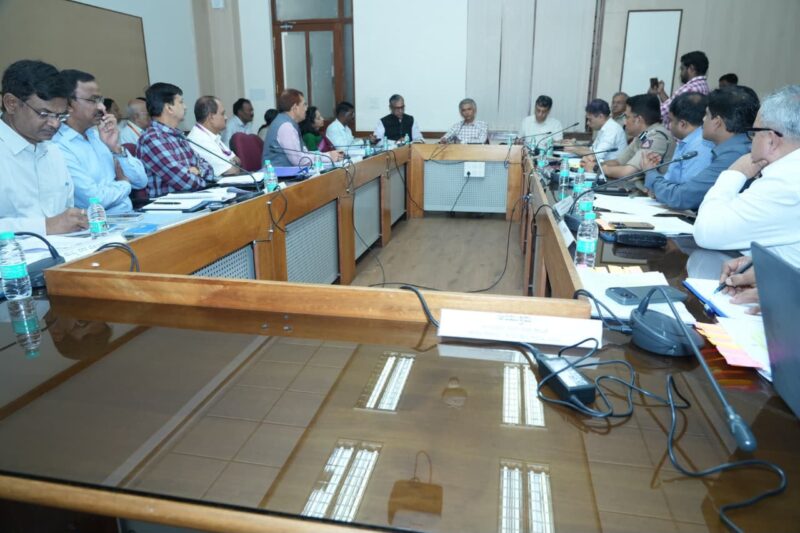
In a significant step towards resolving Bengaluru’s long-standing civic coordination challenges,the Greater Bengaluru Development Minister,Krishna Byre Gowda, today convened the second meeting of the Greater Bengaluru Authority (GBA) Executive Committee, bringing together the heads of all major civic and infrastructure agencies to institutionalise coordinated planning and execution of urban development projects.
The Executive Committee,constituted under the GBA Act,has been created to address one of Bengaluru’s most persistent governance challenges,the lack of coordination among multiple civic agencies responsible for roads,water supply,electricity,public transport,metro, suburban rail and urban infrastructure.
Addressing the media after the meeting,the Minister said Bengaluru has,for decades,suffered because departments have worked independently,often resulting in duplication of work,repeated road cutting,avoidable expenditure of public funds and inconvenience to citizens.
“People have been asking for better coordination among civic agencies for over three decades.The Executive Committee has been established to provide an institutional and permanent solution to this long-standing problem,”Minister Krishna Byre Gowda said.
*Integrated Planning to replace fragmented execution:
The Minister directed all participating departments to significantly improve coordination and jointly plan infrastructure works so that projects are executed efficiently without repeated disruption to public life.
Krishna Byre Gowda announced that coordination meetings,mandated once every two months under the GBA Act,would be convened more frequently whenever necessary to ensure continuous monitoring and quicker decision-making.
The Executive Committee comprises senior officials from all key agencies,including the five City Corporations,BWSSB,BESCOM,BMTC,BMRCL (Metro), BDA,K-RIDE,Traffic Police,Fire and Emergency Services and other departments whose decisions directly influence Bengaluru’s civic infrastructure.
*GIS-Based Integrated Dashboard for Bengaluru:
One of the major decisions taken during the meeting was the development of a unified GIS-based digital platform that will integrate information relating to roads, road history,utilities,streetlights and ongoing infrastructure works across departments.
All civic agencies have been instructed to upload their proposed works and action plans onto the common platform before execution.
The platform will also enable citizens to report civic issues such as potholes and monitor the progress of corrective action,significantly improving transparency, accountability and coordination across departments.
The Minister observed that many newly laid roads are often dug up within months because departments function without adequate information sharing.
The integrated platform is expected to minimise such instances through advance planning and inter-departmental coordination.
*Changing Systems and Administrative Culture:
While acknowledging that institutional reforms take time, the Minister emphasised that lasting improvements require not only new systems but also a change in administrative culture.
He said the objective is to replace silo-based functioning with collaborative governance where departments work together in the larger public interest rather than in isolation.
Officials were instructed to share project timelines well in advance so that utility works,road construction and other civic projects can be synchronised, reducing repeated excavation,inconvenience to citizens and wasteful expenditure.
*Safe Footpath Campaign Continues:
The Minister also reviewed the progress of the ongoing Safe Footpath Campaign,stating that approximately 141 kilometres of encroached footpaths had already been cleared during the first two days of the drive.
He reiterated that the campaign presently covers only around 20 per cent of Bengaluru’s arterial and sub-arterial road network,where pedestrian movement is the highest,while commercial activity and street vending can continue on the remaining roads in accordance with the law.
Emphasising that pedestrian safety remains the Government’s foremost priority,he noted that hundreds of pedestrians lose their lives in road accidents every year after being forced onto carriageways because footpaths are blocked or unusable.
The objective is not to affect livelihoods but to ensure that every citizen can walk safely. Public safety and public rights must remain paramount,”he said.
The Minister added that the initiative is being implemented in accordance with the directions of the Hon’ble Supreme Court and also reflects the unanimous view expressed by elected representatives across political parties that Bengaluru’s busiest roads must provide safe and obstruction-free pedestrian movement.
*Calling for continued public cooperation:
Krishna Byre Gowda said improving Bengaluru requires both institutional reforms and collective civic responsibility*. ”
Bengaluru has given all of us opportunities to live and prosper.Improving the city is therefore a shared responsibility of the Government,institutions and every citizen.
Through better coordination,technology and accountability,we are committed to building a safer, better planned and more liveable Bengaluru,he said.