Pramesh S Jain
While the prison reform recommendations submitted by a high-powered committee emphasise technological upgradation and industrial development, they fall short in addressing human resource management—considered a critical factor in curbing irregularities and corruption within the prison department, sources in the department have said.


 According to senior prison officials,the absence of transparency in staff transfers and the non-existence of a Prison Establishment Board have significantly weakened internal discipline and accountability.
Officials pointed out that a dedicated Prison Establishment Board,on the lines of the Police, Establishment Board,was proposed to ensure transparent transfers through counselling and systematic deployment of personnel.
“Posting the right person in the right position through a structured and transparent process would address many of the problems faced by the prison department across the state,”a senior prison department source said, adding that poor human resource management continues to fuel corruption and administrative lapses.
The observations come even as Karnataka’s largest prison,Parappana Agrahara Central Prison,continues to grapple with severe staff shortages,weak surveillance, outdated security equipment and administrative failures, as highlighted in the committee’s report submitted on Wednesday.
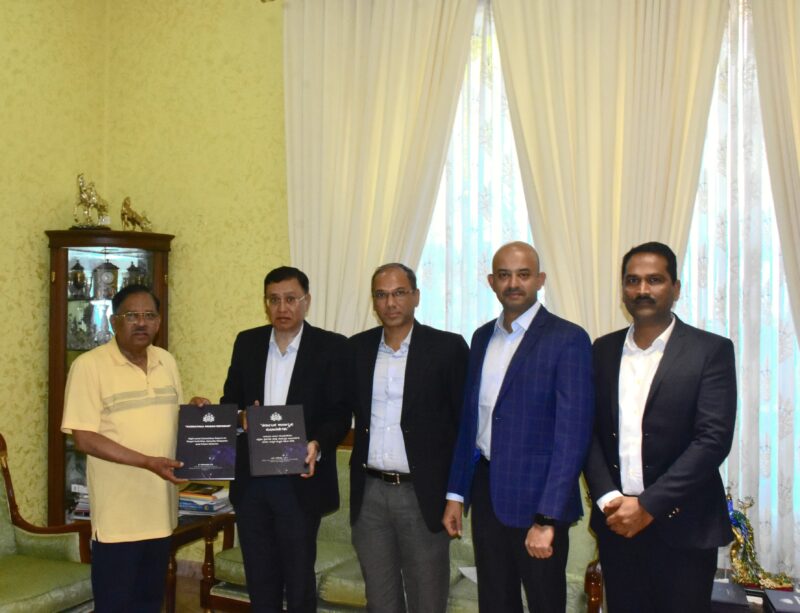
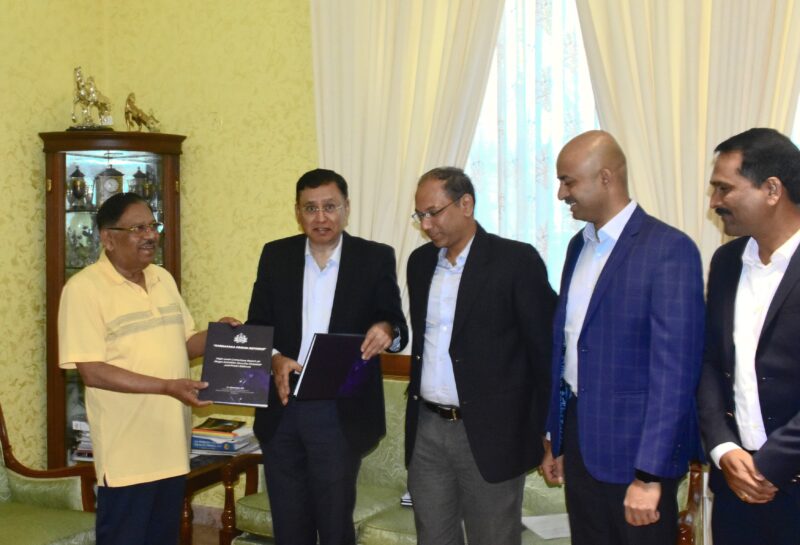
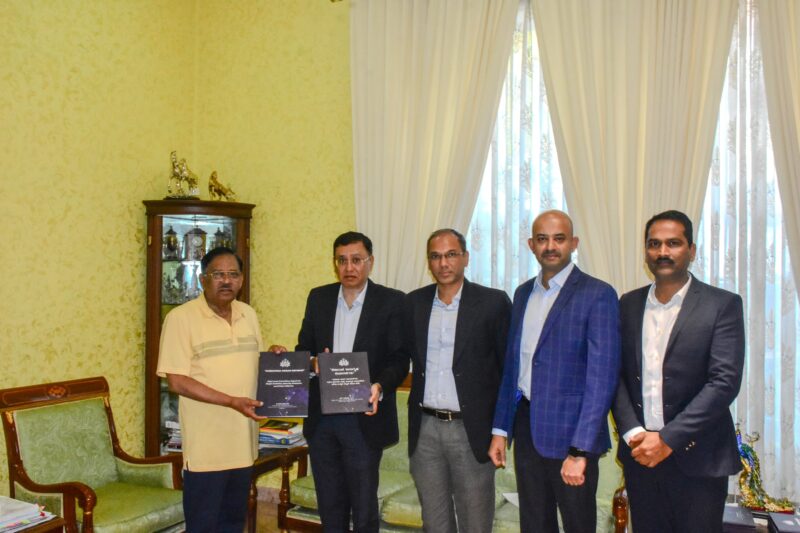
The committee,headed by ADGP (Law and Order),R. Hitendra,submitted its findings to Home Minister G. Parameshwara,warning that the prison is functioning on the brink of systemic failure.
The review was ordered after videos went viral showing inmates,including notorious criminals and a terror suspect,allegedly receiving preferential treatment inside the prison.
The panel also reviewed other central prisons in the state—Mysuru,Shivamogga,Bellary and Kalaburagi—and compared them with best practices at Tihar Jail in Delhi and Chanchalguda Prison in Telangana.
According to the report,Parappana Agrahara houses 4,834 inmates but has only 571 staff members,leaving 388 sanctioned posts vacant.
This results in a prisoner–staff ratio of 1:9,far exceeding the 1:6 ratio prescribed under the Model Prison Manual.
When calculated per shift,the ratio worsens to 1:27,with one officer overseeing nearly 30 inmates at a time.
Other central prisons also fall short of safety norms. Mysuru Central Prison houses 774 inmates with 133 staff,while Bellary has 457 inmates for just 93 staff.
The committee has recommended immediate filling of vacant posts,compulsory staff rotation every three years with a two-year cooling-off period, and annual modern training programmes.
Mobile smuggling and failed jammers:
The panel noted that mobile phone smuggling continues unabated at Parappana Agrahara,largely because existing jammers cannot block 5G signals.
This persists despite a 2021 Karnataka High Court directive mandating strict control over mobile phone usage in prisons.
The committee recommended upgrading to 5G-compatible jammers,deploying portable low-intensity jammers in blind spots,and placing all jammer controls strictly under the Chief Superintendent.
Between January 2021 and November 15, 2025,as many as 154 FIRs were registered in Bengaluru relating to illegal activities in central prisons.All these cases remain pending at the police station level,the report noted.
The committee flagged serious infrastructure deficiencies at Parappana Agrahara,including the absence of a buffer zone,boundary walls measuring less than 20 feet in some stretches,and watch towers that are too low for effective monitoring.
It recommended raising boundary walls to 30 feet, installing fine-mesh anti-throwing nets, adding solar fencing and increasing the height of watch towers.
Surveillance inside the prison was described as critically weak. Parappana Agrahara has only 332 CCTV cameras, covering about 6.6% of inmates,compared with over 8,600 cameras at Tihar Jail.
Most barracks remain un monitored,while toilets have no CCTV coverage except for limited voice-recording devices.
The panel recommended round-the-clock monitoring, AI-enabled cameras to detect prohibited activities, body-worn cameras for staff and the establishment of a central command centre.
Overcrowding and administrative lapses:
Delays in construction at prisons in Shivamogga, Vijayapura and other locations have worsened overcrowding,forcing inmates into already congested barracks.
The committee stressed the need to expedite all pending prison infrastructure projects.
It also highlighted welfare and administrative shortcomings,including the lack of vocational training, poor segregation of first-time offenders and habitual criminals, suboptimal deployment of female staff, irregular meetings of Prison Visitor Boards and unresolved FIRs.
Other concerns flagged include unauthorised food and parcel inflow,weak internal intelligence,unnecessary medical referrals and informal lawyer visits without CCTV coverage.
Overall,while the report presents an extensive roadmap for technological and infrastructural reform,prison officials argue that without systemic human resource reforms—particularly transparent transfers and a dedicated Prison Establishment Board—the deeper issues of corruption and mismanagement within Karnataka’s prison system may persist.