
Pramesh S Jain
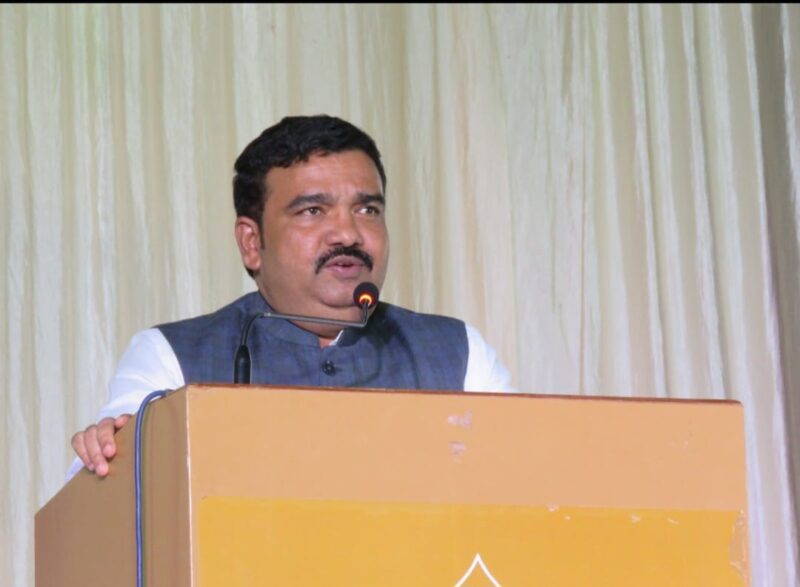
Binish Thomas, National Director of the International Council for Journalists (ICJ), has urged the Karnataka Chief Minister and the Director General and Inspector General of of Police (DG&IGP) to ensure appropriate legal action in cases involving the alleged misrepresentation of journalistic credentials and media affiliations.
In his appeal, head of ICJ, Binish Thomas expressed concern over instances in which individuals allegedly use YouTube channels, Instagram profiles and other digital platforms to claim affiliations with media organisations without verifiable credentials.
He said such cases, if established, could create confusion among the public and police personnel and affect the credibility of journalists working professionally.
“Journalism is a noble profession that serves democracy and the public interest.
Any alleged misuse of journalistic identity to mislead the public or improperly influence police personnel must be examined in accordance with the law,”Binish Thomas said.
He requested the Chief Minister and the head of the state force to direct the concerned authorities to verify complaints involving allegedly false press credentials, misrepresented media affiliations and impersonation, conduct impartial investigations wherever warranted, and initiate appropriate legal proceedings if violations are established.
He also called for clear procedures to help police personnel verify press credentials and media affiliations when necessary, while ensuring that such verification does not obstruct legitimate journalistic work.
Binish Thomas acknowledged that YouTube, Instagram and other digital platforms have become important channels for news dissemination.
However, operating a social media channel alone does not establish an individual’s affiliation with a particular publication, he noted.
At the same time, he stressed that independent journalists, digital media professionals and citizen journalists must not be unfairly targeted merely because they work outside traditional media organisations.Any action, he said, should be based on verifiable evidence and follow due process.
The ICJ reiterated that accountability, transparency and professional ethics are essential to maintaining public trust in journalism, while protecting the legitimate rights of media practitioners.


