Dr.Thomas (Special Correspondent)
In today’s geopolitics, a troubling pattern seems to be emerging. Public discourse often carries a “selective flavour” — where sympathy, support, and outrage are directed toward particular groups, regardless of whether the situation is examined in its full context.
For many, it has become almost a fashion statement to align with certain causes without understanding the deeper historical, political, and humanitarian realities behind them.
World leaders, celebrities, and influential voices frequently react strongly to selective incidents. The ongoing crisis in Gaza, for example, has rightly drawn global concern.
The suffering of children and innocent civilians — anywhere in the world — is tragic and unacceptable. No human life should be lost in violence.
However, the question arises: why is empathy not equally extended to all victims of violence?.
When Israeli families reported infants killed, civilians tortured, and people kidnapped, global outrage appeared limited and short-lived.
The voices that were loud in one context seemed subdued in another. Similarly, recent concerns about children in Iran have sparked emotional reactions, yet many overlook internal repression and violence that have caused significant loss of life over the years.
This selective empathy becomes even more evident when examining violence against Christians in various parts of the world.
Incidents affecting Christian communities often receive minimal global attention. There are rarely mass rallies, trending social media campaigns, or strong condemnations from influential leaders.
The silence becomes particularly striking when such attacks occur during significant religious observances.
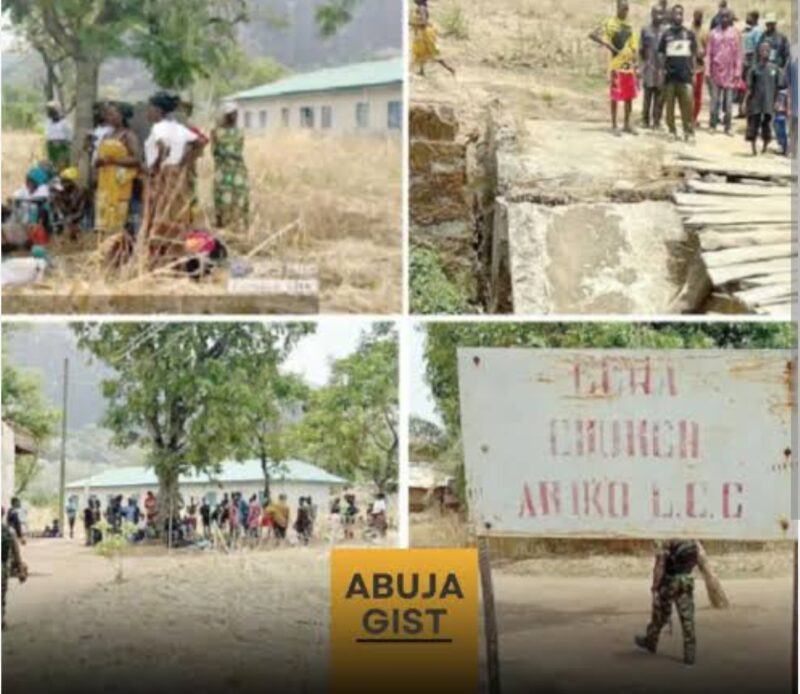
As Christians worldwide celebrated the resurrection of Jesus this Easter, Fulani gunmen unleashed fresh terror in Nigeria.
On the holiest weekend of the faith, terrorists stormed St. Ignatius Catholic Church in Mbalom, Benue State, just as worshippers prepared for Easter Sunday services.
They then rampaged through the village, burning homes and hunting down fleeing families. Seventeen lives were brutally cut short.
The bloodshed didn’t stop there. Armed Fulani militants also slaughtered Christians on Good Friday in Kaduna and Plateau States.
Missionary Judd Saul, founder of Equipping the Persecuted, warns these attacks are no random violence—they form part of a calculated jihadist campaign of genocide to wipe out Nigeria’s Christians and establish an Islamic caliphate.
The issue is not about comparing suffering or diminishing the pain of any community. Every innocent life lost is a tragedy.
Rather, the concern lies in the inconsistency of global outrage. If humanity is to stand for justice, compassion, and peace, empathy must be universal — not selective.
True humanitarian concern should rise above politics, ideology, and trends. Whether victims are in Gaza, Israel, Iran, Nigeria, or anywhere else, their suffering deserves equal attention and response.
Only when compassion becomes consistent can the world genuinely claim to stand for human dignity and justice for all.