
Binish Thomas (Special Correspondent)
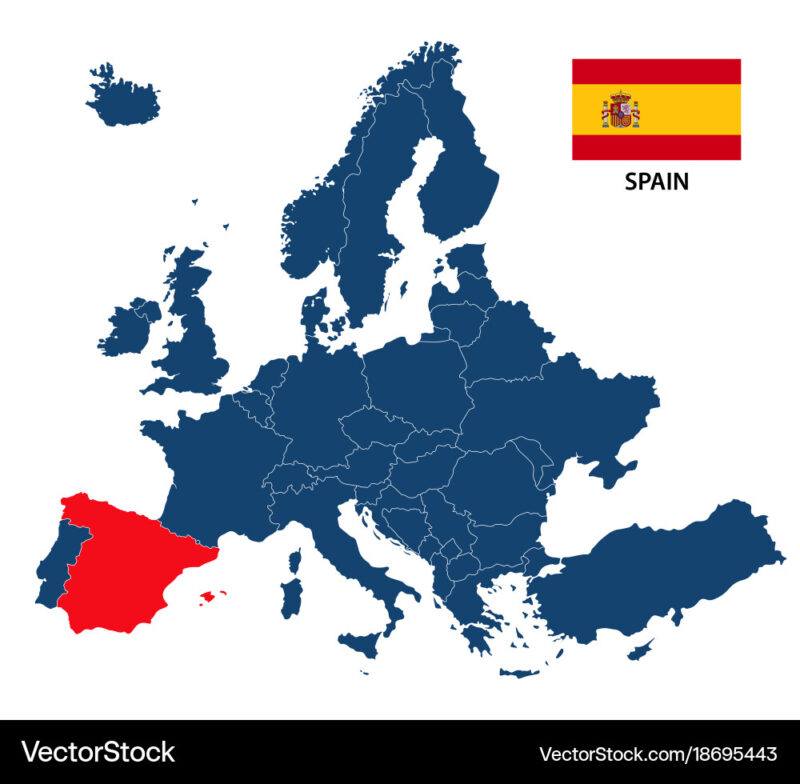
The recent crisis at Spain’s North African enclave of Ceuta has shocked Europe and raised serious questions about border security, irregular migration and the ability of European countries to respond to sudden mass movements of people.
In late July 2026, tens of thousands of migrants attempted to enter Ceuta from Morocco.Reports indicated that people crossed by land and sea, overwhelming local security and reception facilities.
The scale of the movement was extraordinary, with Spanish authorities and other reports putting the number of attempted crossings at tens of thousands.
Spain subsequently deployed military personnel to assist the security forces in restoring order and strengthening the border.
This was not simply a routine migration incident.The speed and scale of the movement demonstrated how quickly a border can come under enormous pressure.
Spanish authorities have also expressed concern about online calls encouraging another mass crossing, while Morocco has increased security along its side of the border.
Questions About Organisation and Smuggling Networks:
One of the most important questions is whether organised criminal or human-smuggling networks played a role in facilitating the movement.
Authorities have investigated people suspected of encouraging illegal crossings, and Spanish officials have previously identified trafficking and smuggling networks as important factors in irregular migration.
However, it is important to distinguish between evidence of organised smuggling and claims that an entire migration movement was secretly organised by terrorist or political organisations.
Such allegations require evidence and should not be presented as established facts without official investigations.
The Wider European Security Challenge:
The Ceuta crisis should nevertheless encourage Europe to have a serious discussion about how irregular migration is managed.
European countries face several challenges simultaneously: protecting their external borders, preventing human trafficking, identifying people who may require international protection, maintaining public order and ensuring that people entering the territory are properly screened.
Irregular migration itself should not automatically be equated with terrorism or criminality. The overwhelming majority of migrants cannot reasonably be described as terrorists or criminals.
At the same time, European security agencies must be able to identify individuals who may have criminal backgrounds, links to extremist organisations or other security concerns.
Spain’s own security research illustrates this distinction. A 2026 Spanish defence research paper notes that irregular immigration represents only a small proportion of Spain’s overall population and that migration flows are driven by factors including instability, poverty and lack of opportunities.
The same research documents jihadist attacks in Spain and the backgrounds of individuals involved, demonstrating why security screening and counter-terrorism investigations remain important.
Terrorism, Churches and Public Safety:
Europe has experienced serious terrorist attacks in the past two decades, including attacks in Madrid, Barcelona and Cambrils.
Spain’s Interior Ministry records the history of jihadist terrorism in the country, while recent Spanish security research examines jihadist attacks and attackers between 2015 and 2025.
There have also been attacks against religious institutions and places of worship in Europe. But these incidents must be examined individually.
The real security question is therefore more specific:
Can European governments identify and stop dangerous individuals or organised groups while maintaining a lawful and humane migration system?.
That is the challenge policymakers must address.
Europe Needs a Stronger and More Coordinated Policy:
The Ceuta crisis demonstrates that border management cannot depend solely on emergency responses after a mass crossing has already begun.
European countries need stronger intelligence cooperation, effective external-border surveillance, action against human-smuggling networks and faster systems for processing asylum and immigration claims.
At the same time, legitimate refugees and people fleeing persecution must retain access to appropriate legal protection.
Border security and humanitarian obligations do not have to be opposing principles; an effective system should be capable of protecting both.
The lesson from Ceuta is therefore not that every migrant represents a security threat.The lesson is that uncontrolled or poorly managed irregular migration can create serious logistical, political and security challenges when governments are unable to maintain effective control of their borders.
Europe should treat the Spanish experience as a warning and develop a common, coordinated strategy before another border crisis occurs.
The question facing Europe is no longer simply how many people can be accommodated. It is how to maintain secure borders, effective immigration control, humanitarian protection and public safety at the same time.
That balance will be one of the defining challenges for Europe in the years ahead.


